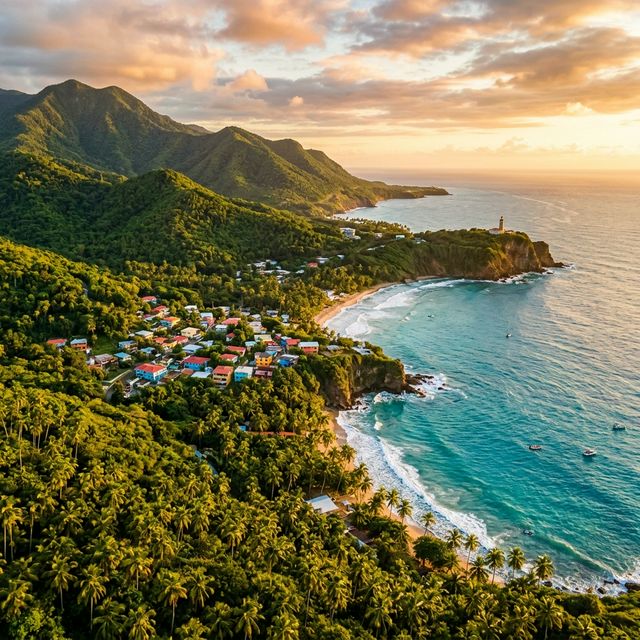
Best Time to Visit Puerto Rico: A Month-by-Month Guide for 2026
The short answer: there is no bad time to visit Puerto Rico. The longer answer matters if you care about rain, crowd size, flight prices, and which festivals you want to catch.
Puerto Rico sits in the northeastern Caribbean between 17 and 18 degrees north latitude. That means year-round warmth — average highs stay between 82 and 88 degrees Fahrenheit every single month. What changes is rainfall, humidity, the likelihood of tropical weather, and how many other visitors had the same idea you did.
Here is every month, unpacked.
The Month-by-Month Breakdown
| Month | Avg High (°F) | Avg Low (°F) | Rainfall (in) | Crowd Level | Avg Nightly Rate | Best For |
|---|---|---|---|---|---|---|
| January | 83 | 72 | 3.7 | High | $180-250 | Festivals, dry weather |
| February | 83 | 72 | 2.8 | High | $190-270 | San Sebastian recap, Carnival |
| March | 84 | 73 | 3.0 | Peak | $200-300 | Spring break, perfect weather |
| April | 85 | 74 | 4.2 | High | $180-260 | Easter week, shoulder start |
| May | 86 | 75 | 5.9 | Low-Moderate | $130-180 | Sweet spot: low prices, warm |
| June | 87 | 76 | 5.4 | Low-Moderate | $120-170 | Sweet spot: summer kickoff |
| July | 88 | 77 | 5.0 | Moderate | $150-200 | Summer family travel |
| August | 88 | 77 | 6.2 | Low | $110-160 | Lowest prices, hurricane watch |
| September | 88 | 76 | 6.4 | Lowest | $100-150 | Deepest discounts |
| October | 87 | 76 | 5.8 | Low | $110-160 | Hurricane season winding down |
| November | 85 | 75 | 5.3 | Low-Moderate | $130-180 | Sweet spot: season starts |
| December | 83 | 73 | 4.4 | High | $170-240 | Holiday travel, parrandas |
Nightly rates reflect island-wide averages for quality vacation rentals. Individual properties vary. Casa Chunan in Maunabo holds at $172/night year-round.
High Season: December Through April
This is when most visitors come, and for good reason. Rainfall drops to its lowest levels. Temperatures hover in the low-to-mid 80s. Trade winds keep humidity manageable. The sky stays clear for days at a time.
December opens the season with holiday energy. Puerto Rico celebrates Christmas harder and longer than anywhere on the mainland — parrandas (spontaneous house-to-house caroling parties) start in early December and do not stop until mid-January. The Hatillo Masks Festival on December 28 is one of the island's most vibrant cultural events.
January brings the Fiestas de la Calle San Sebastian in Old San Juan, a four-day street festival that draws 200,000+ people. If you want the energy, plan around it. If you want quiet, avoid Old San Juan that weekend and head southeast.
February offers the best dry weather of the year. Average rainfall in San Juan drops below 3 inches. Carnival celebrations happen in Ponce, the island's second city, with vejigante masks, parades, and music.
March is peak season within peak season. Spring break travelers from the mainland fill San Juan hotels. Prices hit their annual high. Availability tightens — book 60-90 days ahead for popular properties.
April eases slightly after Easter week. Temperatures tick up a degree or two. The transition toward wetter months begins, but most days remain dry and sunny.
The High Season Trade-Off
You get the best weather, but you pay for it:
- Flight prices from the northeast run $250-450 round trip (vs. $150-280 in low season)
- Accommodation in San Juan, Rincon, and Vieques books out weeks in advance
- Restaurants in tourist areas have waits
- Popular trails in El Yunque get crowded by 10 AM
The workaround: stay on the southeast coast. Maunabo, Patillas, and Yabucoa see a fraction of the tourist traffic even in peak months. You get the same weather — actually, often better weather thanks to the rain shadow effect — without the crowds or the price surge.
The Sweet Spots: May-June and November
If you have schedule flexibility, these are the months that deliver the best ratio of weather to value.
May and June
The official "wet season" starts in May, but here is what that actually looks like: mornings are sunny and hot. Afternoon brings a 30-to-45-minute tropical downpour. Then the sky clears and the evening is warm and calm.
This is not two weeks of gray rain. This is a daily rhythm that locals have built their lives around. You swim in the morning. You eat lunch under a roof. You watch the rain. You go back out.
Prices drop 30-40% from peak. Flights get cheap. Properties that were fully booked in March have wide-open calendars. The water is warm. The island is green. The waterfalls in El Yunque run at full power.
November
The tail end of hurricane season technically runs through November 30, but the statistical window for major storms closes by mid-October. November weather in Puerto Rico is warm, modestly wet, and increasingly breezy as trade winds pick up.
Tourism has not yet ramped for the holidays. Thanksgiving week sees a small spike from mainland visitors, but the rest of the month is quiet. Prices sit in the shoulder range — 20-30% below December rates.
November is also when the southeast coast of Puerto Rico shines. The Maunabo Crab Festival (Festival del Jueyes) typically falls in late October or early November — a weekend celebration of land crab dishes, live music, and artisan vendors that pulls locals from across the island but rarely shows up on tourist itineraries.
Hurricane Season: The Honest Assessment (June-November)
Puerto Rico sits in the Atlantic hurricane belt. The official season runs June 1 through November 30, with peak activity in August and September.
Here is what you should actually know:
The statistics: In any given year, the probability of a direct hurricane hit on Puerto Rico is roughly 3-5%. Tropical storms are more common but still not frequent. Most hurricane seasons pass without a direct impact on the island.
The reality since Maria: Hurricane Maria (2017) fundamentally changed infrastructure on the island. Power grid improvements, better communication systems, and improved building codes mean Puerto Rico is more resilient than it was. That said, the trauma was real and the recovery was long.
What this means for travel planning:
- June-July: Historically very low storm activity. Rain increases, but hurricanes are rare.
- August-September: Peak statistical risk. Prices are at their annual low. Travel insurance is non-negotiable. Most weeks are fine. Some are not.
- October-November: Risk drops sharply after mid-October. By November, you are functionally in post-season.
Practical advice: If you book August or September, buy comprehensive travel insurance (including trip interruption and weather delay), book refundable rates, and monitor the National Hurricane Center. If a storm is coming, reschedule. If the forecast is clear, you will likely have the best beaches in the Caribbean almost entirely to yourself at the lowest prices of the year.
Do not let hurricane season scare you away from June, July, or November. The numbers do not support that fear.
Maunabo and the Southeast Coast Microclimate
The southeast corner of Puerto Rico — Maunabo, Patillas, Yabucoa — benefits from a geographic quirk. The Central Mountain Range (Cordillera Central) and the Sierra de Cayey create a partial rain shadow that keeps the southeast drier than the north coast during much of the year.
San Juan averages about 56 inches of rain annually. The southeast coast averages 40-45 inches. The difference is noticeable: more sunny mornings, shorter afternoon showers, and faster clearing.
The trade winds hit the northeast coast first, drop their moisture on El Yunque and the northern slopes, and arrive on the southeast side lighter and drier. This is why the landscape around Maunabo transitions from tropical forest to dry coastal scrub within just a few miles.
For visitors, this means:
- Beach days are more reliable year-round
- The "rainy season" is milder here than in San Juan or the northwest coast
- Even in October, you can string together four or five consecutive dry days
- Winter months (Dec-Mar) are almost perfectly dry
Events Worth Planning Around
| Event | When | Where | Why Go |
|---|---|---|---|
| Fiestas de la Calle San Sebastian | Mid-January | Old San Juan | Island's biggest street festival, 200K+ attendees |
| Carnival de Ponce | February | Ponce | Vejigante masks, parades, 300+ years of tradition |
| Saborea Food Festival | April | San Juan | Puerto Rico's premier culinary event |
| Noche de San Juan | June 23 | Island-wide, beaches | Midnight backward walk into the ocean for good luck |
| Loiza Patron Saint Festival | Late July | Loiza | Afro-Caribbean culture, bomba music, coconut masks |
| Festival del Jueyes (Crab Festival) | Oct/Nov | Maunabo | Land crab dishes, local music, artisan market |
| Hatillo Masks Festival | December 28 | Hatillo | Colorful mask tradition dating to Spanish colonial era |
| Parrandas | Dec-Jan | Island-wide | Spontaneous musical house parties, Puerto Rican caroling |
How to Book Smart by Season
High season (Dec-Apr):
- Book accommodations 60-90 days ahead
- Book rental cars at least 30 days ahead (inventory gets tight)
- Book El Yunque permits in advance (required for some trails)
- Expect to pay 30-50% more for everything vs. low season
Sweet spot months (May-Jun, Nov):
- Book 30-45 days ahead for best selection
- Rental car prices drop significantly
- Restaurants are easier to get into
- Some tour operators reduce schedules — confirm before arriving
Low season (Jul-Oct):
- Deals are everywhere — flights, lodging, activities
- Some small operators close or reduce hours in September
- Travel insurance is essential Aug-Oct
- Fewer tourists means more authentic local interactions
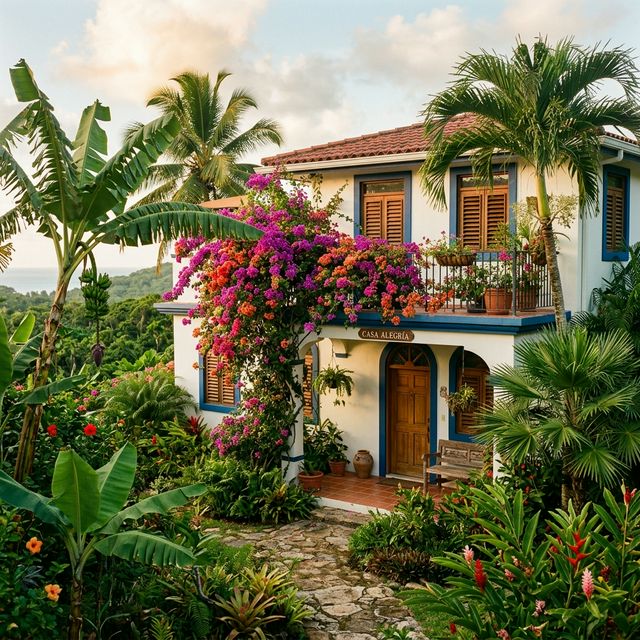
Where to Stay Year-Round: Casa Chunan, Maunabo
The southeast coast works every season. In high season, you skip the San Juan crowds. In low season, you get the microclimate advantage that keeps weather more predictable.
Casa Chunan in Maunabo is a three-bedroom, two-bath villa at $172/night year-round. Full kitchen, mountain views, tropical garden, beach access five minutes away. Hosted by Kimlee, an Airbnb Superhost who left a 30-year tech career in New York and New Jersey to build a place that delivers calm in every season.
No resort fees. No surge pricing. No fighting for a pool chair.
Ready to Plan Your Puerto Rico Trip?
Three bedrooms, mountain views, and beach access from $172/night — year-round.
Check Availability at Casa ChunanFAQ: Best Time to Visit Puerto Rico
August and September offer the lowest prices across flights, accommodations, and activities — 40-50% below peak season rates. Travel insurance is essential during these months due to hurricane season. For the best balance of low prices and low risk, book May, June, or November.
Rain is more frequent May through November, but it rarely lasts all day. The typical pattern is a sunny morning, a brief afternoon downpour lasting 20-45 minutes, then clearing skies by evening. The southeast coast around Maunabo receives less rain than the north coast year-round.
Officially June 1 through November 30, with peak activity in August and September. Most years pass without a direct hit. Buy travel insurance, monitor forecasts, and avoid rigid non-refundable bookings during peak storm months.
Excellent. Dry weather, comfortable temperatures (low 80s), and the island's legendary Christmas season — parrandas, festivals, and celebrations that run from early December through mid-January. Book early; demand is high.
The Festival del Jueyes celebrates the land crab, a local delicacy. Held in late October or early November in Maunabo on the southeast coast, it features crab dishes prepared dozens of ways, live music, dancing, and artisan vendors. It draws locals from across the island but remains largely off the tourist radar.
For high season (Dec-Apr): 60-90 days for lodging, 30+ days for rental cars. For shoulder and low season: 30-45 days is usually sufficient. Popular properties like Casa Chunan book up faster regardless of season.