Punta Tuna Lighthouse, Puerto Rico: Maunabo Visitor Guide
Punta Tuna is best understood as a historic lighthouse and a sensitive southeast-coast wetland landscape, not as a checklist stop. In Maunabo, the lighthouse, coast, and reserve form a useful first introduction to the area’s maritime history and ecology. Plan the visit around current access and conditions, then use the wider Maunabo cluster to decide what else fits your day.
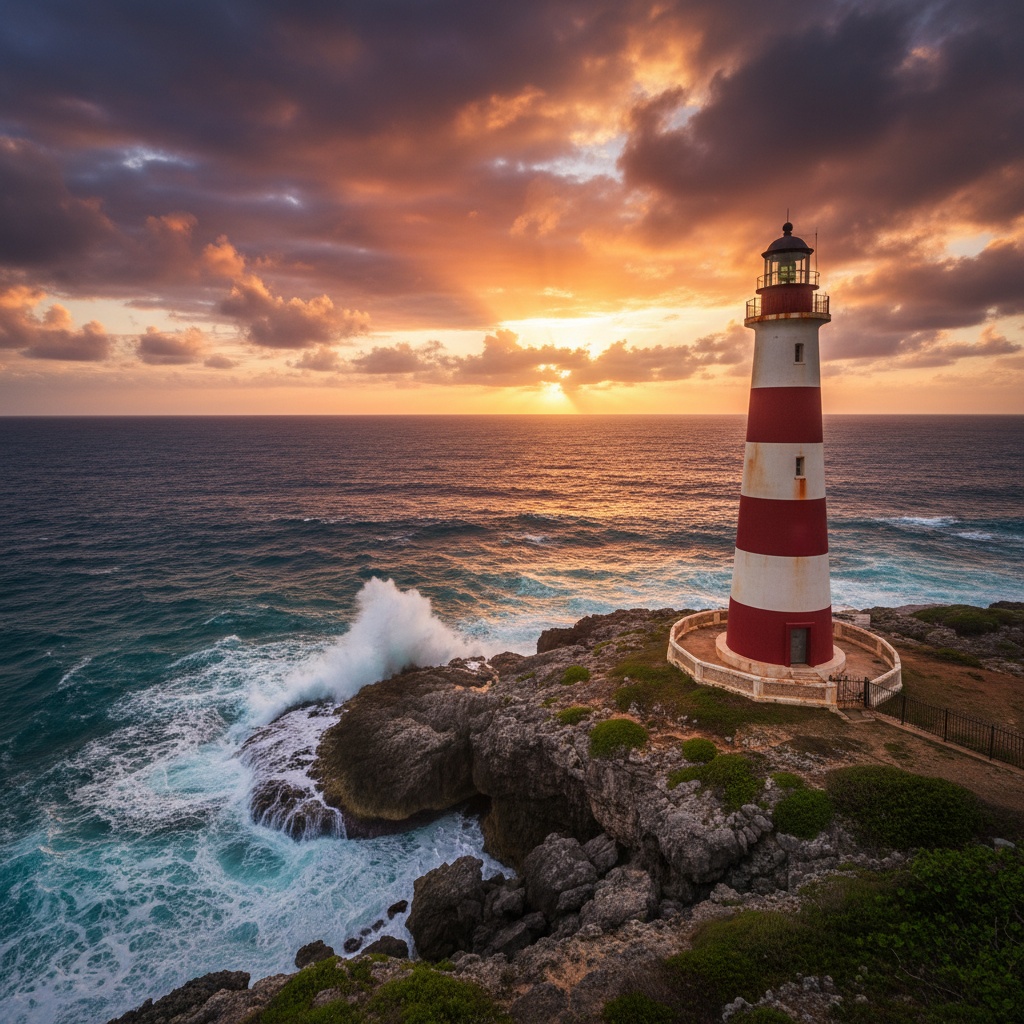
A Spanish-built lighthouse from the 1890s
Discover Puerto Rico describes Punta Tuna Lighthouse as a seaside-cliff landmark built by Spain in 1892. The National Park Service record identifies the resource as Faro de Punta de la Tuna and records its National Register of Historic Places status. Together, these sources support a careful description: a Spanish-built lighthouse from the 1890s, commonly dated 1892, that remains an important marker of Puerto Rico’s southeastern coast.
The point is about landscape as much as architecture. The official Maunabo profile places the lighthouse within an area of mountains, coast, beaches, wetlands, and the distinctive southeast approach to town.
The Punta Tuna wetlands context
Discover Puerto Rico identifies the Punta Tuna Wetlands Nature Reserve as a 109-acre reserve containing beaches, brackish water, freshwater wetlands, and mangroves. A separate official reserve profile describes a wetland landscape along roughly 1.4 miles of coastline. These facts make the site a better place for observation, learning, and a slower coastal visit than for assumptions about facilities or activities.
Official listing checked September 28, 2026: the official lighthouse profile currently lists the park as open Wednesday through Sunday from 9 a.m. to 4 p.m. Treat those hours as a planning reference, not a guarantee: confirm directly before leaving, and do not assume tower-interior access, tours, parking, or route conditions.
For broader conservation and visitor context, use the official reserve profile. Access and local conditions can change, so this guide does not promise facilities or activities.
Plan the coast with care
Punta Tuna Beach is scenic, but Discover Puerto Rico warns that strong currents make it unsafe for swimming. Keep the beach section of the visit focused on scenery and responsible coastal observation unless current, posted local guidance supports another activity. Stay on permitted routes, do not disturb wildlife or vegetation, and follow any conservation notices.
Build a first Maunabo day around the lighthouse
The lighthouse works well as one part of a flexible day: learn the historic and wetland context, appreciate the southeast coast, then use current conditions to decide whether to continue with food, another shoreline stop, or a quiet return to the accommodation. Start with the First-Time Maunabo Guide for town-wide orientation, compare Maunabo beaches with safety context, and see the things to do in Maunabo guide for other non-duplicate options.
For a stay that keeps the lighthouse and southeast coast within the broader itinerary, review the informational stay near Punta Tuna page and the where to eat in Maunabo guide. Neither replaces current access, weather, or local safety information.
Frequently asked questions
Punta Tuna Lighthouse is a Spanish-built lighthouse from the 1890s, commonly dated 1892, on a seaside cliff in Maunabo. It is listed on the National Register of Historic Places and sits near the Punta Tuna wetlands landscape.
Discover Puerto Rico warns that strong currents make Punta Tuna Beach unsafe for swimming. Use the coastline for scenery and follow posted current guidance.
When this guide was reviewed on September 28, 2026, Discover Puerto Rico listed Wednesday through Sunday, 9 a.m. to 4 p.m. Confirm directly before your visit because operating details can change.
Check official attraction and reserve listings for current access information, leave time flexible, and respect weather, conservation, and local guidance.
Sources and visitor reminder
- Discover Puerto Rico — Maunabo
- Discover Puerto Rico — Faro de Punta Tuna
- Discover Puerto Rico — Punta Tuna Wetlands Reserve
- National Park Service — Faro de Punta de la Tuna
Last reviewed September 28, 2026. The official attraction profile was the source for the currently listed park hours; confirm current access, operating details, route conditions, weather, and coastal guidance directly before visiting.
Build a slower Maunabo stay around Punta Tuna
Casa Chunan is a three-bedroom Maunabo vacation rental for travelers who want time to explore the southeast coast at their own pace. Review current property details and availability before making plans.
Check dates on Airbnb