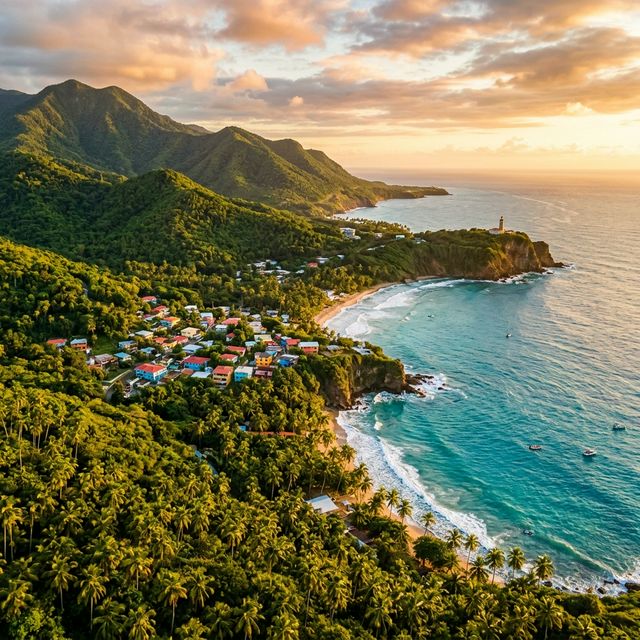
Puerto Rico in November — Weather, Crowds, and Quiet Southeast Coast Days
November is the month that quietly disappears from most Puerto Rico trip-planning lists. September and October get written off as the rainy core of hurricane season, and December through April get all the attention as peak season. November sits in the gap — and for a certain kind of traveler, that gap is the point.
If you want warm water, empty beaches, low rates, and a southeast coast that feels genuinely unhurried, November delivers all four. You just have to plan around one honest caveat: it is still hurricane season until November 30.
This guide covers what November actually feels like, what it costs, what to expect from the weather, and why the Maunabo stretch of the southeast coast works especially well in the late fall.
Why November Is Puerto Rico's Underrated Shoulder Month
November is a transition month. The heavy rain of September and October is easing, the winter high season hasn't started, and the island swaps its summer crowds for a slower rhythm. That combination produces a month that is unusually good value.
| Factor | What November looks like |
|---|---|
| Weather | Warm and tropical, generally low-to-mid 80s°F by day, with humid, sunny stretches and passing showers |
| Crowds | Light, except around Thanksgiving week, when domestic travel picks up |
| Prices | Usually below the December-to-April high season; softer airfare outside Thanksgiving |
| Ocean | Still warm from months of summer heating |
| Hurricane season | Ends November 30 — the final month of the official season |
| Daylight | Shorter evenings than summer, which makes sunset dinners and stargazing easier to plan |
For comparison across the rest of the calendar, our month-by-month guide to the best time to visit Puerto Rico covers how each season behaves, and the September and October fall guide covers the months immediately before this one.
What November Weather Actually Feels Like
Puerto Rico doesn't have four seasons so much as a wet stretch and a drier stretch. November straddles them. Days are warm and humid, mornings are often clear, and rain typically arrives as short, heavy bursts that clear within an hour or two rather than settling in for the day.
On the southeast coast around Maunabo, the practical effect is a microclimate that many visitors prefer to the north coast. The municipality sits in a drier, breezier corridor than the San Juan metro area, and afternoon conditions are frequently better than what the forecast for the capital suggests. That said, November is a transition month, so day-to-day conditions vary more than they do in the deep dry season. Check the forecast for your specific travel dates and stay flexible.
Packing for a Late-Fall Island Trip
- A light rain shell — for the passing showers, not for cold. You will rarely need more than a T-shirt underneath.
- Reef-safe sunscreen and a wide hat — the sun stays strong even under intermittent cloud.
- Insect repellent — a wetter-than-average month means more standing water and more mosquitoes, especially near wetlands.
- A dry bag or zip pouch — useful for phones and keys on beach days with unpredictable showers.
- Sturdy shoes or sandals that handle uneven ground — rural Maunabo roads and lighthouse paths are not paved smooth.
Is November Still Hurricane Season? Yes — Plan Honestly
The Atlantic hurricane season runs June 1 through November 30, which means November is the final month of the official window. Activity typically tapers late in the season, but "typically" is not "never," and it would be dishonest to pretend otherwise.
The practical approach is the same one we recommend to guests all fall: book with flexibility where you can, watch the National Hurricane Center's forecast as your dates approach, and treat travel insurance as a sensible addition rather than an overreaction. Our hurricane season travel guide walks through what to actually do if a storm is being tracked during your trip, including the parts most travel articles skip.
If storm-season uncertainty is the main thing holding you back, moving your trip to December removes it entirely. If you can accept the small risk in exchange for much lower prices and emptier beaches, November is a genuinely rewarding month.
Beaches in November: The Quietest Shorelines of the Year
One of the real advantages of a November trip is that the southeast coast beaches are close to empty. Summer visitors are gone, holiday travelers haven't arrived, and the seaweed that piles up during the summer sargassum season has largely cleared.
Maunabo has a wide range of named shoreline options, each behaving differently. Los Bohíos (also called Playa Negra), with its dark sand, is a local favorite. Playa Larga offers a long, easy walk. For swimming rather than scenery, Villa Pesquera Beach is the more forgiving option.
A safety note worth repeating, because it matters more when there are no other people around to notice if something goes wrong: Discover Puerto Rico advises that Punta Tuna Beach has strong currents and is not safe for swimming, though the view of the lighthouse and rock formations is worth the trip. Conditions at every beach change with swell and weather, so assess on the day. Our guide to Maunabo's beaches breaks down which spots suit which kind of day.
Planning Your November Trip on the Southeast Coast
Getting here. Most visitors fly into San Juan (SJU) and drive. The route to Maunabo is straightforward and scenic, ending with the Maunabo Tunnel on PR-53 — an experience in itself. Our SJU-to-Maunabo road trip guide covers the drive step by step. If you haven't rented a car in Puerto Rico before, the first-timer's rental car guide explains tolls, insurance, and the AutoExpreso system.
Where to base yourself. The southeast coast rewards staying still rather than hopping around. A villa with a private pool and a kitchen turns a rainy afternoon into a non-event, which matters more in a transition month than in the dry season.
What to do. Short daylight hours make sunset the anchor of the day. Walk the Punta Tuna Lighthouse grounds, eat well — our Maunabo food guide covers roadside frituras and seafood — and then stay out after dark. Maunabo has some of the darkest skies on the island, and November's earlier sunsets are a gift for stargazing. For a wider menu of options, see our things to do in Maunabo guide.
A Note on Late-Fall Local Events
Maunabo's municipality, like most of Puerto Rico's smaller towns, hosts community and cultural events at various points in the year, and late fall is sometimes among them. We deliberately don't publish dates, venues, or program details for local festivals here, because those change from year to year and a wrong date is worse than no date.
If you're hoping your visit overlaps with a specific community celebration, confirm current details directly with the Municipio de Maunabo or the organizer before you build a trip around it. Treat any schedule you find that isn't from the municipality or the event organizer as a lead to verify, not a fact.
November, the Quiet Way
Casa Chunan is a 3-bedroom villa with a private pool on Maunabo's uncrowded southeast coast — built for slow, late-fall days.
Check Availability at Casa ChunanFAQ: Visiting Puerto Rico in November
Yes, for a quiet, good-value trip. Crowds are thin outside Thanksgiving, rates are below the winter high season, the ocean is still warm, and the southeast coast is calm. The tradeoff is that November is the last month of hurricane season.
Warm and tropical — generally low-to-mid 80s°F by day, humid, with sunny stretches and short passing showers rather than all-day rain. Conditions vary more than in the dry season, so check the forecast for your dates.
Yes. The Atlantic season runs June 1 to November 30. Activity usually tapers late in the season but isn't zero, so monitor the forecast and keep some flexibility in your plans.
Generally yes, especially outside the Thanksgiving week. November falls before the mid-December start of high season, so many rentals and hotels price below peak and airfare tends to be softer. Compare live quotes for your exact dates.
Quiet beaches, the Punta Tuna Lighthouse and wetlands, the Maunabo Tunnel drive on PR-53, local roadside food, and excellent stargazing thanks to early sunsets and very low light pollution.
Planning notes & sources: Hurricane season dates reflect the National Hurricane Center's official June 1–November 30 Atlantic season. Beach safety information for Punta Tuna comes from Discover Puerto Rico's official Maunabo destination profile (linked above). Weather, pricing, and crowd patterns are seasonal planning guidance, not a forecast — verify conditions for your specific travel dates before booking. This page was last reviewed October 12, 2026.
November isn't the month everyone books. That's exactly why it works.